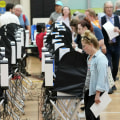
Population movement is often discussed in the context of housing markets, economic development, infrastructure expansion, and community growth. However, one area where demographic changes have a significant impact is election administration. In rapidly growing communities such as Conroe, Texas, election officials closely monitor population movement patterns because these trends directly influence how elections are planned and managed. As new residents move into the area and existing residents relocate within the region, voter distribution changes, creating new challenges and opportunities for election administrators. Understanding these shifts helps ensure that elections remain efficient, accessible, and responsive to the needs of the community.
Conroe has experienced notable growth over recent years, attracting families, professionals, retirees, and entrepreneurs seeking the benefits of living in a developing region. This influx of residents affects not only population totals but also the geographic distribution of voters throughout the community. Election officials must account for these changes when preparing for local, state, and federal elections.
Planning for Changing Voter Populations
One of the primary reasons election officials monitor population movement is to ensure that voting resources are distributed appropriately. As neighborhoods expand and new residential developments emerge, voter concentrations may increase in certain areas while remaining stable or declining in others. Election administrators use population data to evaluate where polling locations should be established and how resources should be allocated.
If a particular area experiences significant residential growth, existing voting facilities may no longer be sufficient to accommodate the increased number of voters. Additional polling sites, expanded staffing, or enhanced voter services may become necessary to maintain efficient election operations. Without careful monitoring of population trends, some locations could experience overcrowding while others remain underutilized.
Population movement data also assists officials in anticipating future needs rather than simply reacting to changes after they occur. This proactive approach helps improve voter access and supports smoother election administration.
Supporting Accurate Voter Registration Records
Population movement can significantly affect voter registration systems. Individuals who relocate often need to update their registration information to reflect their new address. Accurate voter rolls are essential for maintaining election integrity and ensuring that voters receive correct information regarding their polling locations and voting eligibility.
Election officials regularly review demographic and population data to identify areas where registration updates may be necessary. Public education efforts often accompany these initiatives, encouraging residents to verify and update their information when they move. Maintaining current voter records helps reduce administrative complications and supports a more efficient voting process.
As communities continue to grow, managing voter registration becomes increasingly important. Population movement patterns provide valuable insights that help election administrators keep records accurate and up to date.
Long-Term Planning and Resource Allocation
Election administration requires extensive planning that often begins months before voting takes place. Officials must secure facilities, recruit and train poll workers, prepare equipment, and allocate resources based on projected voter turnout. Population movement patterns contribute valuable information that helps guide these decisions.
Organizations involved in residential relocation, such as Mountain Movers, regularly assist individuals and families moving into growing communities. While relocation companies are not involved in election administration, the population shifts they help facilitate contribute to demographic changes that election officials monitor closely. These trends provide important context for understanding how communities evolve and how voter needs may change over time.
In addition to polling locations and staffing, population data can influence decisions related to outreach efforts, voter education programs, and long-term infrastructure planning. Communities experiencing sustained growth often require ongoing adjustments to election systems to ensure that services remain accessible and effective.
Preparing for the Future
As Conroe continues to attract new residents, election officials will likely remain focused on population movement patterns as an important planning tool. Growth brings new opportunities for civic participation, but it also requires careful coordination to ensure that election systems keep pace with changing demographics.
Ultimately, monitoring population movement is about more than tracking numbers. It helps election administrators understand where voters live, how communities are evolving, and what resources are needed to support fair and accessible elections. By paying close attention to these trends, officials can better prepare for future elections and continue serving the needs of a growing and dynamic community.